A Guest’s First Few Minutes: Setting Up a Clear Welcome
A guest’s first few minutes feel easier when coats, bags, seats and small cues have an obvious place, without turning your welcome into a performance.
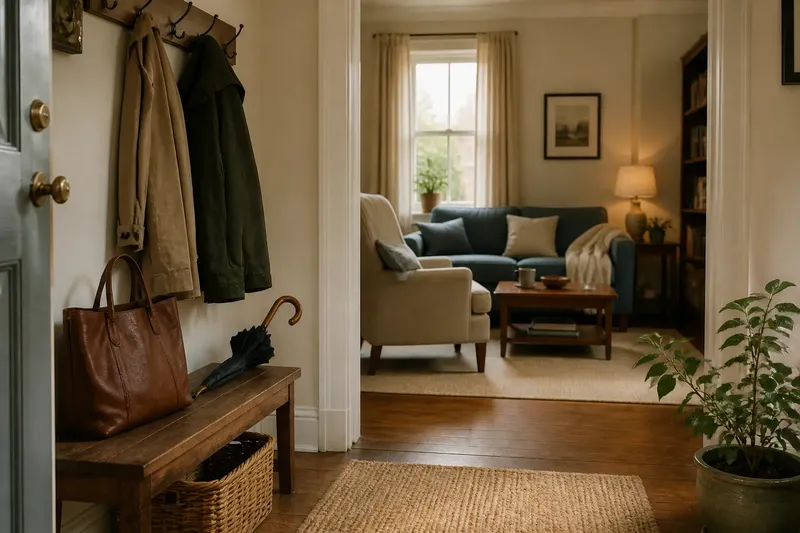
The common mistake in a guest’s first few minutes is offering help before there is anywhere obvious to put a coat or bag. The visitor has to keep hold of everything while answering questions, and the host ends up directing traffic. A clear welcome makes those first choices visible, so your guest can settle in without a small ceremony.
Think of the arrival as a handover: the doorstep gives way to a place for belongings, then a seat, then a gentle cue about what happens next. You need not rearrange the room or prepare a special display. A few deliberate choices are enough.
Set up the welcome in eight small decisions
- Decide where the greeting will happen. Choose the point where you can comfortably meet the visitor: the front door, the porch or just inside the entrance. Keep the greeting there rather than calling from another room while your guest waits with their hands full. If you are expecting someone who may arrive while you are occupied, make the first useful place easy to spot from the entrance. A direct line of sight is often more helpful than a spoken instruction delivered from out of view.
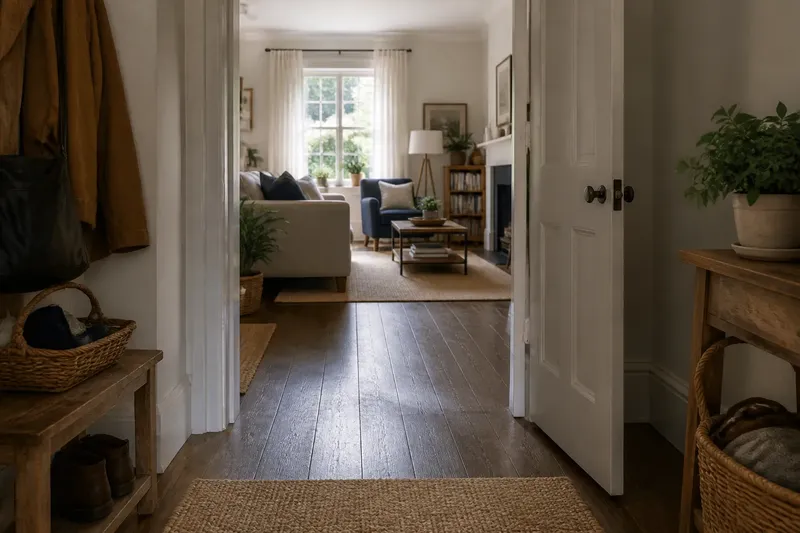
- Make a coat option clear. Check that the coat hooks, hall cupboard or coat stand you intend to offer are usable. If a cupboard is packed, do not open it as though it were ready; choose a hook or another suitable place instead. For wet outerwear, consider what the fabric and room can accommodate, such as a washable mat beneath a drip-prone coat. The point is not to create a perfect cloakroom. It is to avoid making a guest guess where their things belong.
- Choose a place for a bag. A handbag, shopping bag or folded umbrella should not have to balance on a chair someone is about to use. Clear one stable surface or a suitable patch of floor near the entrance or seating area. A bench may work for a light bag, while a low table can be easier for a smaller one. Say where the space is, then let your guest decide whether they want to use it.
- Offer a seat without making it a test. Pick a chair or sofa place that is free of laundry, papers and personal items. If there is more than one sensible option, point them out rather than insisting on a particular seat. Consider who else is present: a guest may prefer to sit beside a companion, near a child, or where conversation is easiest. A comfortable welcome leaves room for that choice.
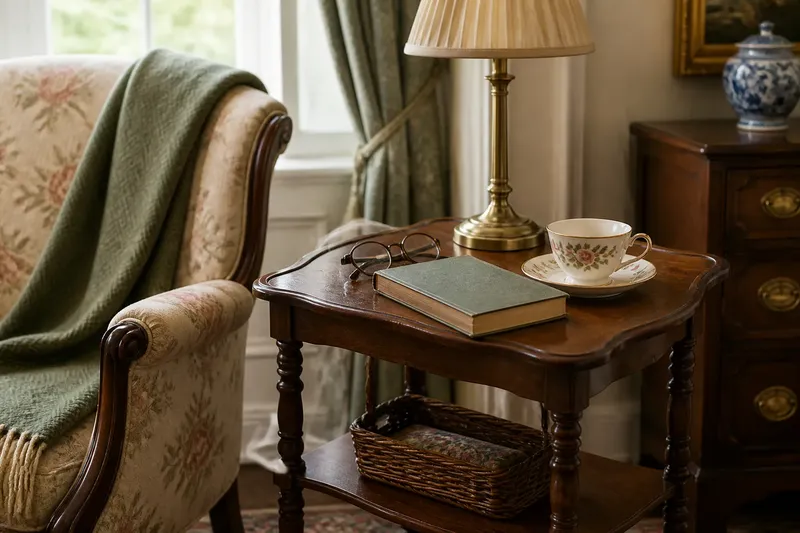
- Make the seat usable as it stands. Notice whether a cushion has slipped, a throw is covering the sitting space or a drink is occupying the only nearby surface. Straighten or move what needs moving before the visitor arrives. Keep a clear place for a cup if you plan to offer one, but do not make a coaster or table setting feel like a rule. A chair should look ready to use, not like a display that must be preserved.
- Give a simple cue about the room. Once the guest has put their things down, a short phrase can orient them: “The sitting room is through here,” or “You’re welcome to use the bathroom down the hall.” Offer only the information that is useful at that moment. A long tour can make a brief visit feel formal, while silence may leave someone unsure where to go. One clear cue is often enough; wait for a question before adding more.
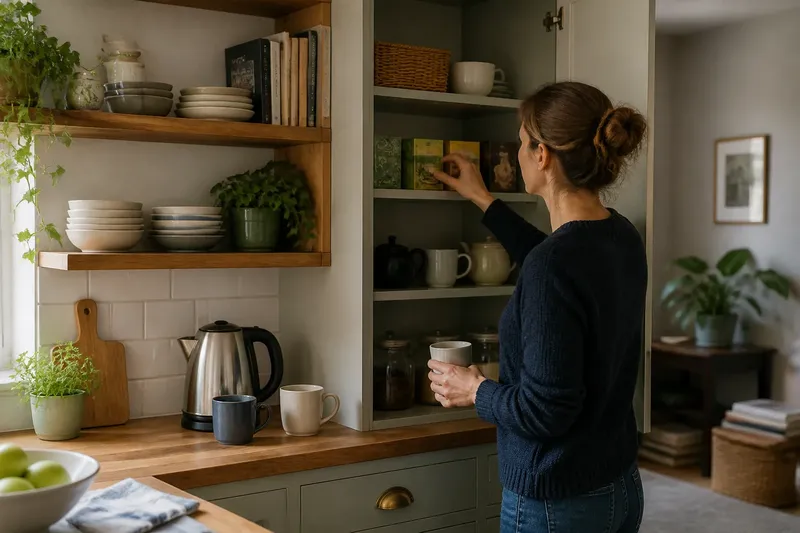
- Keep the first refreshment uncomplicated. If you are offering tea, coffee or water, decide where the guest can comfortably accept it. You might ask what they would like after they have sat down, rather than presenting several choices at the door. If refreshments are not part of the occasion, there is no need to invent them. The useful custom is to make the next moment legible, not to serve something automatically.
- Allow for the occasion. A neighbour stopping by, a friend arriving with a child and a formal visitor may need different arrangements. For a short doorstep conversation, a coat hook and a place to stand may be plenty. For a longer visit, make the seating area and bathroom cue easy to find. If you expect a mobility aid, pushchair or several parcels, think in advance about where those can remain without obstructing the visit. Adapt the welcome to the person and the reason they have come.
Use a quick pre-arrival check
Before the doorbell, pause at the entrance and imagine arriving with your hands occupied. Check these practical details:
- Is the intended coat place empty enough to use?
- Is there a stable place for a bag or umbrella?
- Can the guest see at least one available seat?
- Is that seat clear and ready to use?
- Can you point out the next useful room or facility?
- Is there enough space for the expected party and their belongings?
If one answer is no, make a small adjustment or choose a different option. You do not need to tidy the whole home; focus on the places the visitor will actually use.
Let the occasion shape the wording
Short, ordinary phrases prevent a welcome from turning into a set of instructions. “There’s a hook here for your coat” is clearer than a vague gesture. “Would you like this chair or the sofa?” gives a guest a choice without asking them to solve the room. If someone arrives with a wet umbrella, you can offer a suitable place for it rather than taking it from them without asking.
Say you are expecting a friend who will arrive carrying a shopping bag and a folded umbrella. You clear one hook, leave a stable bench free and decide that the sitting room is ready. When the friend comes in, you point to the hook and bench, then offer the choice of a chair or sofa. The expected result is observable: the friend can put things down and sit without holding them through the greeting. That is a modest arrangement, not a performance.
What should you do when the visit is unexpected?
Keep the welcome small: greet the visitor, indicate a place for their belongings if one is available, and ask whether they would like to come in or talk at the door. You can move an item from a chair if needed, without apologising for the whole room.
Where should a guest put a coat or bag?
Offer a usable hook, coat stand, bench or clear surface that suits the item. If the obvious place is unavailable, name an alternative rather than leaving the visitor to guess.
How can you welcome someone with a child or mobility aid?
Make space for the person and anything they need to keep close, then offer a seat or route that fits the visit. Ask what would be helpful instead of assuming that every guest wants the same arrangement.
Should you offer a drink straight away?
It is fine to ask after the guest has settled, or to skip refreshments for a brief visit. A simple offer is usually easier to answer than a list of choices delivered at the door.
Keep the welcome clear without making it formal
A guest’s first few minutes are easier when the useful choices are visible: where to put belongings, where to sit and what to expect next. Treat the setup like a labelled drawer, not a stage set; each useful place should be easy to recognise, but nothing needs to look ceremonial. Before the next visit, notice which entrance your guest is likely to use and prepare only the spots that support that occasion.